

The Role of Technology in Modern Equipment Rental Management

The Role of Technology in Modern Equipment Rental Management In an era defined by digital transformation, the field of equipment rental management has undergone a profound shift. Modern technology has redefined how rental businesses operate, making processes more efficient, transparent, and agile. This change is evident in solutions like the SuiteWorks Tech Rental Management Software for NetSuite, which has revolutionized every step of the rental lifecycle—from contract creation to equipment return. In this blog, we explore how technology is at the heart of modern equipment rental management. We will focus on the technological advancements described in the shared content, explaining how each aspect of the digital solution contributes to a more effective rental management system. By examining these key areas, you will see how integrating technology into your operations can streamline workflows, reduce errors, and provide real-time insights into equipment performance. Digital Transformation in Equipment Rental Management The traditional approach to equipment rental management often involved paper-based processes and manual data entry. Today, technology is enabling companies to transition from these outdated practices to a system that captures every detail digitally. At the core of this transformation is the ability to capture and manage rental contracts with precision. By digitizing contract management, every element—from terms and pricing to duration and billing schedules—is recorded accurately and efficiently. This shift not only reduces the risk of human error but also creates a single, centralized repository for all rental agreements. With technology handling contract details, rental businesses can quickly access, modify, and renew contracts as needed. This streamlined approach ensures that operations run smoothly from the moment a contract is signed until the equipment is returned. Automation: The Heart of Modern Rental Management Automated Billing Processes One of the most significant advantages of modern technology in equipment rental management is automation. Automated billing processes eliminate the need for manual invoicing by aligning billing cycles with the terms specified in each rental contract. This means that once a contract is set up, invoices are generated automatically based on pre-defined schedules—whether monthly, quarterly, or on a usage-based model. By automating billing, companies not only save time but also ensure that invoices are issued accurately and on schedule. This accuracy is crucial for maintaining consistent cash flow and avoiding billing errors. The automated system is capable of handling even the more complex pro-rata rental calculations, ensuring that customers are billed fairly for partial periods of usage. Flexible Scheduling for Dynamic Operations Flexibility is essential in modern equipment rental management, especially in industries where operational demands can change rapidly. Technology enables businesses to set up and manage flexible billing schedules that reflect the unique needs of each rental contract. With a digital system in place, companies can quickly adjust billing intervals, ensuring that each invoice reflects the exact rental period. The ability to adapt billing schedules in real time is a key component of how technology is transforming equipment rental management. It allows businesses to respond swiftly to market changes and customer requirements without the delays associated with manual adjustments. End-to-End Equipment Lifecycle Management From Shipment to Return Modern technology in rental management extends beyond contract administration and billing. It plays a crucial role in managing the physical lifecycle of rental equipment. The SuiteWorks Tech solution, for example, streamlines the shipment process—ensuring that equipment is dispatched on time and arrives accurately at its destination. Once the equipment is in use, the digital system continuously tracks its status. When it’s time for the equipment to return, the same technology facilitates a smooth check-in process. A quick quality check upon return ensures that the equipment is in optimal condition and ready to be re-leased. This seamless management of the equipment lifecycle minimizes downtime and maximizes asset utilization. Proactive Maintenance Management In any rental operation, maintaining equipment in top condition is essential. Technology plays an integral role in scheduling maintenance tasks, ensuring that equipment remains reliable and efficient. The solution allows for the creation of maintenance job orders that are scheduled based on pre-determined intervals or specific usage metrics. A key aspect of this approach is the ability to trigger maintenance jobs automatically when usage thresholds are met. By tracking cumulative operating hours and usage logs, the system can alert technicians when it’s time for maintenance. This proactive maintenance scheduling helps prevent unexpected equipment failures and extends the lifespan of assets. Seamless Integration with Fixed Asset Management Synchronized Asset Data A modern equipment rental management system is most effective when it integrates seamlessly with broader enterprise systems. For companies that already use NetSuite for their financial and asset management needs, a native integration is a major advantage. With the SuiteWorks Tech solution, all rental data is synchronized with NetSuite’s fixed asset management module. This integration ensures that every aspect of asset management—from depreciation calculations to financial reporting—is accurately recorded. By consolidating data from the rental operations and fixed asset modules, businesses gain a comprehensive view of their assets. This synchronized approach not only enhances operational efficiency but also provides greater financial transparency. Real-Time Financial Reporting Integration with fixed asset management goes hand in hand with real-time financial reporting. Digital tools in modern rental management systems provide dashboards and custom searches that deliver up-to-date insights into financial performance. This real-time data is critical for making informed decisions and planning future investments. With all asset-related information centralized, companies can track depreciation, monitor revenue streams, and adjust financial strategies with confidence. The clarity provided by real-time reporting is invaluable in a dynamic business environment, where delays in data can lead to missed opportunities. Data-Driven Decision Making Empowering Stakeholders with Real-Time Insights Data is at the core of every modern equipment rental management system. The ability to collect and analyze data in real time transforms raw information into actionable insights. With integrated reporting tools and dashboards, decision makers can monitor the performance of their rental operations at a glance. From tracking equipment utilization to analyzing billing accuracy, every piece of data is captured and presented in a way that facilitates quick decision making.
Flexible Billing Schedules for Real Estate Rentals: A Game-Changer in Rental Management

Flexible Billing Schedules for Real Estate Rentals: A Game-Changer In the dynamic world of real estate rentals, efficiency and accuracy in billing can be the cornerstone of success. As rental markets become more competitive and customer expectations continue to evolve, property managers and rental businesses must seek solutions that not only simplify operations but also provide unparalleled financial clarity. Flexible billing schedules are emerging as a game-changing innovation in this space, enabling rental businesses to customize billing intervals, reduce manual administrative tasks, and ensure that invoices are generated at precisely the right moments. At its core, a flexible billing schedule is more than just a tool—it’s a strategic approach that adapts to the needs of modern rental operations. By allowing businesses to set up and manage billing cycles based on individual rental contract terms, this approach ensures that every invoice is issued accurately and on time, whether on a monthly, quarterly, yearly, or even more customized basis. In this comprehensive discussion, we will explore the evolution, technical implementation, and business impact of flexible billing schedules in the realm of real estate rentals. The Evolution of Billing in Real Estate Rentals Traditionally, rental billing has been a manual, time-consuming process. Property managers often wrestled with spreadsheets, paper invoices, and inconsistent billing intervals that led to errors and delays. Over time, the rapid advancement of technology has transformed this cumbersome process into one that is automated and highly adaptable. Today’s rental management software leverages the power of modern platforms to deliver flexible billing solutions that align with the diverse needs of rental agreements. Flexible billing schedules represent a shift from one-size-fits-all billing models to a more nuanced approach. This evolution is driven by the need for real-time accuracy and customization in billing—a necessity in a market where rental terms can vary widely from one contract to the next. By embracing flexible billing schedules, rental businesses can now offer personalized invoicing that reflects the specific duration, pricing, and billing intervals defined in each rental contract. Understanding Flexible Billing Schedules What Are Flexible Billing Schedules? Flexible billing schedules are a feature within advanced rental management software that allows businesses to design, implement, and manage customized billing cycles for each rental contract. Unlike fixed billing intervals that operate on a standard monthly or annual cadence, flexible billing schedules empower property managers to choose intervals that best match the terms of each rental agreement. For example, a rental contract might require invoices to be generated: Monthly: For shorter-term leases or contracts with frequent billing needs. Quarterly: Suited for mid-term rentals or seasonal agreements. Yearly: Ideal for long-term rental contracts or corporate leasing arrangements. By enabling the selection of these intervals, flexible billing schedules ensure that invoices are issued when they’re needed—no sooner, no later—thus aligning cash flow management with the actual service period. The Customization Factor The heart of flexible billing lies in its adaptability. Every rental contract can be unique, with varying start dates, durations, pricing structures, and service agreements. A rigid billing system may force property managers into a framework that doesn’t quite match the contractual terms, leading to either premature invoicing or delays. In contrast, a flexible billing schedule accommodates these nuances by allowing users to: Define custom billing intervals: Adjust the frequency of invoicing based on specific contract requirements. Automate invoice generation: Reduce manual oversight and the potential for human error. Synchronize billing with rental terms: Ensure that every billing cycle is perfectly aligned with the agreed-upon rental period. This level of customization not only minimizes administrative workload but also enhances the transparency and predictability of cash flow. The Impact on Operational Efficiency Streamlining the Billing Process One of the most significant advantages of flexible billing schedules is the streamlining of the billing process. Traditionally, generating invoices for each rental contract required meticulous attention to detail and often, a significant amount of manual intervention. By automating this process, rental management software can: Reduce errors: Automated systems eliminate the risk of miscalculation or oversight that is common with manual invoicing. Save time: Property managers can focus on strategic activities rather than getting bogged down in repetitive billing tasks. Enhance consistency: Regular, automated billing ensures that every customer receives their invoice promptly and in a consistent format. In a market where operational efficiency directly influences customer satisfaction, the ability to automate billing is a game-changer. Businesses can now redirect resources from administrative tasks to more strategic initiatives—such as improving customer service and exploring new revenue streams. Financial Transparency and Accuracy Financial transparency is critical in the rental industry. Accurate invoicing not only bolsters a company’s reputation but also ensures that revenue is captured in a timely manner. Flexible billing schedules facilitate this by: Providing clear billing intervals: Customers and property managers alike can anticipate exactly when invoices will be issued. Aligning revenue recognition with service delivery: Invoices generated in accordance with the rental period enable a more accurate representation of financial performance. Reducing disputes: Clear, predictable billing reduces the likelihood of misunderstandings between rental businesses and their clients. When every invoice accurately reflects the contractual terms, businesses are better positioned to manage cash flow, forecast revenue, and ultimately, drive financial stability. The Technical Side of Flexible Billing Schedules Integration with Rental Management Software Modern rental management software platforms are built to integrate seamlessly with various business functions, and flexible billing schedules are no exception. When implemented on a robust platform like NetSuite, the feature becomes a pivotal component of an all-encompassing rental management solution. The integration ensures that: Billing data is synchronized: Rental contracts, asset availability, and financial records are all updated in real time. Automated workflows are maintained: Once the billing schedule is set, the software automatically triggers invoice generation according to the defined intervals. Audit trails are established: Every billing transaction is logged, providing a transparent record that can be reviewed and audited if necessary. How It Works Behind the Scenes At a technical level, the process of managing flexible billing schedules involves several key steps: Contract Setup: When a rental
Best Practices for Managing Recurring Maintenance Jobs: Maximize Efficiency with SuiteWorks Tech

Best Practices for Managing Recurring Maintenance Jobs: Maximize Efficiency with SuiteWorks Tech Recurring maintenance jobs are the backbone of industries like manufacturing, facilities management, energy, and logistics. Whether it’s preventive inspections, equipment servicing, or safety checks, these repetitive tasks ensure operational continuity, regulatory compliance, and asset longevity. However, manual management often leads to missed deadlines, inflated costs, and unplanned downtime. SuiteWorks Tech’s Field Service & Maintenance Management Software transforms how businesses handle recurring tasks. By combining automation, real-time data, and NetSuite integration, it turns maintenance from a cost center into a strategic advantage. Below, we break down 10 best practices to optimize recurring maintenance jobs—and how SuiteWorks Tech empowers teams to execute them flawlessly. 1. Standardize Maintenance Procedures Why It Matters: Inconsistent processes lead to errors, safety risks, and compliance gaps. Standardizing tasks ensures quality and repeatability. How SuiteWorks Tech Helps: Pre-Built Checklist Templates: Create standardized workflows for inspections, lubrication, or part replacements. Digital SOPs: Attach step-by-step guides, safety protocols, or videos to job orders. Approval Chains: Require supervisor sign-offs for critical tasks to enforce consistency. Outcome: Reduced human error, compliance with ISO/OSHA standards, and uniform service quality. 2. Automate Scheduling Based on Triggers Why It Matters: Calendar-based scheduling ignores actual equipment usage, leading to over- or under-maintenance. How SuiteWorks Tech Helps: Multi-Trigger Automation: Schedule jobs based on time (e.g., every 90 days), usage (e.g., 1,000 operating hours), or event triggers (e.g., post-repair). Smart Alerts: Notify teams when thresholds are nearing or deadlines approach. Dynamic Adjustments: Reschedule jobs automatically if equipment is idle or in use. Outcome: Optimal resource use, extended asset life, and 20–30% fewer emergency repairs. 3. Prioritize Jobs with Risk-Based Maintenance (RBM) Why It Matters: Not all assets require the same attention. RBM focuses efforts on high-risk, high-value equipment. How SuiteWorks Tech Helps: Criticality Scoring: Assign risk scores based on factors like failure impact, replacement cost, and safety role. AI-Driven Insights: Analyze historical data to predict which assets need prioritization. Dashboards: Visualize high-risk equipment in the Maintenance Calendar. Outcome: Reduced downtime for mission-critical assets and better allocation of labor/budget. 4. Centralize Asset and Maintenance History Why It Matters: Siloed data delays decision-making and complicates audits. How SuiteWorks Tech Helps: Unified Asset Registry: Track equipment specs, warranties, and service history in one place. Usage Logs: Automatically record operating hours, maintenance dates, and technician notes. Searchable Database: Instantly retrieve records by serial number, location, or job type. Outcome: Faster troubleshooting, accurate warranty claims, and audit-ready documentation. 5. Optimize Technician Allocation Why It Matters: Poorly assigned jobs lead to overtime costs, burnout, and delayed tasks. How SuiteWorks Tech Helps: Skillset Matching: Auto-assign jobs based on certifications (e.g., HVAC, electrical). Real-Time Availability Tracking: Avoid double-booking with live technician schedules. Mobile Access: Technicians update job statuses on-site, improving visibility. Outcome: 15–25% higher workforce productivity and improved job completion rates. 6. Integrate Inventory Management Why It Matters: Stockouts delay maintenance, while overstocking ties up capital. How SuiteWorks Tech Helps: Automated Replenishment: Trigger purchase orders when part quantities drop below thresholds. Barcode Scanning: Track parts used in jobs via NetSuite mobile. Vendor Management: Compare lead times and costs for third-party services. Outcome: 30% fewer stockouts and 20% lower inventory costs. 7. Leverage Predictive Maintenance Why It Matters: Fixing issues before failure minimizes downtime and repair costs. How SuiteWorks Tech Helps: IoT Integration: Connect sensors to monitor temperature, vibration, or pressure in real time. Condition-Based Alerts: Auto-generate jobs when anomalies are detected. Trend Analysis: Identify patterns (e.g., motor wear after 500 hours) to refine schedules. Outcome: Up to 40% fewer unplanned breakdowns and longer asset lifespans. 8. Implement Closed-Loop Feedback Why It Matters: Recurring jobs should evolve with equipment performance and team feedback. How SuiteWorks Tech Helps: Post-Maintenance Surveys: Collect technician input on part quality or process bottlenecks. Performance Analytics: Measure metrics like Mean Time to Repair (MTTR) and adjust workflows. Version Control: Update checklists and schedules based on data-driven insights. Outcome: Continuous process improvement and higher first-time fix rates. 9. Automate Compliance Documentation Why It Matters: Manual record-keeping is error-prone and time-consuming. How SuiteWorks Tech Helps: Auto-Generated Reports: Export maintenance logs, expense breakdowns, and compliance certificates. Audit Trails: Track every change to job orders, schedules, or checklists. Regulatory Templates: Pre-configure forms for OSHA, FDA, or ISO audits. Outcome: Faster audit cycles and reduced risk of fines. 10. Monitor ROI with Cost-Benefit Analysis Why It Matters: Recurring maintenance must justify its cost through measurable ROI. How SuiteWorks Tech Helps: Expense Tracking: Capture labor, parts, and vendor costs per job. Downtime Analytics: Compare maintenance costs against production losses. Custom KPIs: Calculate metrics like Overall Equipment Effectiveness (OEE) or Cost per Maintenance Hour. Outcome: Data-backed decisions to optimize maintenance budgets and strategies. Why SuiteWorks Tech is the Ultimate Tool for Recurring Maintenance End-to-End Automation From scheduling to invoicing, SuiteWorks Tech eliminates manual steps, reducing admin work by 50%. Native NetSuite Integration Sync maintenance data with financials, inventory, and CRM for a 360° operational view. Scalable for Any Workload Manage 10 or 10,000 assets with the same efficiency, thanks to cloud-based architecture. Zero Licensing Fees Pay one annual fee—no hidden charges for users, locations, or devices. Conclusion: Transform Recurring Maintenance from Chore to Advantage Recurring maintenance jobs don’t have to mean repetitive headaches. By adopting these best practices with SuiteWorks Tech, businesses can achieve: 40% Fewer Breakdowns: Predictive alerts and usage-based scheduling. 30% Lower Costs: Optimized inventory and labor allocation. 100% Audit Readiness: Automated compliance documentation. Ready to Elevate Your Maintenance Strategy?Explore how SuiteWorks Tech’s NetSuite-native software automates recurring tasks, cuts costs, and keeps your operations running smoothly. Book a free Demo today to see the future of maintenance management. Best Practices for Managing Recurring Maintenance Jobs: Maximize Efficiency with SuiteWorks Tech 18 Feb 2025 Subscription Billing How SuiteWorks Tech Maintenance Management Software Ensures Compliance and Reduces Regulatory Risk 01 Feb 2025 Field Service and Maintenance Management Insights into Subscription Pricing Trends in the UK Market with SuiteWorks Tech 23 Jan 2025 Subscription Billing Managing In-House vs. Vendor Maintenance Jobs: Best Practices with SuiteWorks Tech Field Service & Maintenance Management Software 16 Jan 2025 Field Service and Maintenance Management
How SuiteWorks Tech Maintenance Management Software Ensures Compliance and Reduces Regulatory Risk

In industries reliant on equipment—such as manufacturing, construction, logistics, and healthcare—compliance management software is essential. Regulatory bodies demand meticulous documentation, adherence to safety protocols, and proof of preventative maintenance. Failure to comply can result in fines, operational shutdowns, and reputational damage. Yet, many businesses still rely on manual processes, siloed data, and reactive workflows, leaving them vulnerable to non-compliance. SuiteWorks Tech Field Service & Maintenance Management Software, built natively on NetSuite, transforms compliance from a cost center to a competitive advantage. By automating workflows, enforcing standards, and generating audit-ready records, this field service management software ensures every maintenance activity aligns with regulatory requirements. Here’s how SuiteWorks Tech field service and maintenance management software support businesses in achieving flawless compliance. Automated Scheduled Maintenance: Eliminate Human Error, Meet Deadlines Regulatory frameworks like OSHA, ISO 55000, or industry-specific standards mandate regular equipment inspections. Manual scheduling often leads to missed deadlines, exposing businesses to compliance gaps. How SuiteWorks Tech Solves It: Compliance Impact:Automation eliminates guesswork, ensuring 100% adherence to mandated schedules. Auditors can instantly verify compliance via the centralized Maintenance Calendar. Usage-Based Maintenance: Enforce Operational Safety Limits Equipment like industrial machinery or fleet vehicles often has strict usage thresholds (e.g., 500 operating hours) before maintenance is legally required. Exceeding these limits risks safety violations. How SuiteWorks Tech Solves It: Compliance Impact:Prevents overuse violations, ensures equipment operates within legally mandated safety parameters, and provides usage logs as evidence during audits. Technician Certification Tracking: Meet Labor Compliance Standards Regulations often require maintenance tasks to be performed by certified personnel. Assigning unqualified technicians can invalidate warranties or breach labor laws. How SuiteWorks Tech Solves It: Compliance Impact:Mitigates legal risks by ensuring only qualified personnel handle regulated tasks. Certification records are stored for audit readiness. Real-Time Equipment Usage Logs: Document Every Minute Regulators demand precise records of equipment usage and maintenance history. Manual logs are error-prone and easily disputed. How SuiteWorks Tech Solves It: Compliance Impact:Provides granular, tamper-proof records to demonstrate compliance with usage regulations. Export logs in seconds for audits. Expense Capture & Billing Automation: Financial Transparency Financial compliance requires accurate tracking of maintenance costs (labor, parts, vendor fees) and timely invoicing. Disorganized expense reporting risks accounting discrepancies. How SuiteWorks Tech Solves It: Compliance Impact:Simplifies financial audits with detailed cost breakdowns and ensures accurate tax reporting. Inventory Tracking: Prevent Loss, Ensure Traceability Industries like aerospace or pharmaceuticals require strict traceability of parts. Lost inventory during maintenance can breach safety or contractual obligations. How SuiteWorks Tech Solves It: Compliance Impact:Ensures compliance with traceability mandates (e.g., FDA 21 CFR Part 11) and reduces loss/theft risks. Centralized Maintenance Calendar: Streamline Audit Prep Auditors often demand a holistic view of maintenance activities. Disjointed schedules delay audits and raise red flags. How SuiteWorks Tech Solves It: Compliance Impact:Accelerates audit processes with centralized, intuitive data access. Customizable Checklists: Standardize Compliant Workflows Industry standards often require step-by-step procedures for critical tasks. Inconsistent execution risks non-compliance. How SuiteWorks Tech Solves It: Compliance Impact:Ensures standardized, repeatable processes that meet regulatory criteria. Why Compliance-Driven Companies Choose SuiteWorks Tech ✅ Zero User Licensing Fees Unlike competitors, SuiteWorks Tech charges no per-user fees. Scale compliance across teams without cost barriers. ✅ Native NetSuite Integration Avoid third-party middleware risks. Data flows securely between maintenance, inventory, and financial modules, ensuring audit integrity. ✅ Lowest TCO in the Market Achieve enterprise-grade compliance at startup costs. Annual subscriptions include unlimited support and updates. ✅ Future-Proof Compliance Regular updates align with changing regulations (e.g., emissions standards, safety protocols), ensuring perpetual compliance. Conclusion: Turn Compliance into a Strategic Advantage SuiteWorks Tech transforms maintenance compliance from a reactive burden to a proactive asset. By automating documentation, enforcing thresholds, and centralizing audit trails, businesses reduce risk, avoid penalties, and build trust with regulators and customers. In an era where non-compliance can mean headlines, lawsuits, or shutdowns, SuiteWorks Tech ensures your equipment, processes, and records meet the highest standards—seamlessly within NetSuite. Ready to Automate Compliance?Contact SuiteWorks Tech today to schedule a free demo. Discover how our software keeps you audit-ready 365 days a year—without hidden fees or complex integration FAQ’s What is field service management software? Field service management software is a tool designed to streamline and automate the management of field operations, such as maintenance, repair, and inspections. It helps businesses track and manage their equipment, technicians, and workflows efficiently, ensuring compliance with regulatory standards. How does SuiteWorks Tech’s maintenance management software ensure compliance? SuiteWorks Tech’s field service and maintenance management software ensures compliance by automating maintenance schedules, tracking technician certifications, maintaining real-time equipment usage logs, and generating audit-ready records. This reduces human error and ensures adherence to regulatory requirements, such as OSHA and ISO standards. What industries can benefit from SuiteWorks Tech’s compliance software? Industries that rely heavily on equipment, including manufacturing, construction, logistics, and healthcare, benefit from SuiteWorks Tech’s field service management software. It helps businesses in these sectors meet regulatory requirements while optimizing operations and reducing compliance risks. Can SuiteWorks Tech’s software help with technician certification tracking? Yes, SuiteWorks Tech’s software has a built-in technician certification tracking feature. It ensures only qualified personnel perform maintenance tasks by storing and managing certification records. The software prevents uncertified technicians from being assigned to critical tasks, helping businesses stay compliant with labor regulations. How does SuiteWorks Tech’s software handle scheduled maintenance? SuiteWorks Tech’s software automates scheduled maintenance by defining rules-based frequencies (daily, weekly, or based on usage). The system generates job orders automatically and sends real-time alerts to technicians and managers to prevent missed maintenance deadlines, ensuring regulatory adherence. What compliance regulations does SuiteWorks Tech’s software support? SuiteWorks Tech’s software helps businesses comply with a range of regulatory frameworks, such as OSHA, ISO 55000, FDA 21 CFR Part 11, and industry-specific standards. It ensures that all maintenance processes align with these regulations, reducing the risk of fines and operational shutdowns. How does the software assist with real-time equipment usage tracking? The software integrates with IoT sensors and manual entry logs to track equipment usage in real time. It automatically records operating hours, idle time, and maintenance history, ensuring compliance with
Managing In-House vs. Vendor Maintenance Jobs: Best Practices with SuiteWorks Tech Field Service & Maintenance Management Software

Managing In-House vs. Vendor Maintenance Jobs: Best Practices with SuiteWorks Tech Field Service & Maintenance Management Software In the dynamic world of field service and maintenance management, businesses are faced with an ongoing challenge—how to maintain their equipment and assets in optimal working condition while minimizing downtime and managing costs effectively. Whether businesses are handling maintenance in-house or outsourcing it to vendors, striking the right balance between internal teams and external service providers is essential for ensuring operational efficiency, enhancing service quality, and controlling costs. In this blog post, we’ll explore how SuiteWorks Tech’s Field Service & Maintenance Management Software can help businesses streamline both in-house and vendor-managed maintenance tasks. By leveraging automation, intelligent scheduling, and real-time tracking features, businesses can optimize their maintenance operations for better resource utilization, cost control, and improved customer satisfaction. 1. The Challenges of In-House vs. Vendor Maintenance Jobs Managing maintenance tasks—whether in-house or with third-party vendors—comes with its own unique set of challenges. Businesses need to assess their needs and evaluate the best strategies for ensuring that equipment remains in good condition while managing costs and minimizing downtime. In-House Maintenance In-house maintenance typically refers to a company’s internal teams handling all aspects of maintenance, from routine checks to unexpected repairs. The advantages of this approach include full control over scheduling, resource allocation, and quality of service. However, there are challenges, such as: Resource Limitations: In-house teams may face capacity constraints, especially when dealing with multiple maintenance requests simultaneously. Skill Gaps: Not all equipment may be within the scope of expertise of internal teams, leading to potential delays and errors. High Overhead Costs: Managing in-house maintenance requires investments in staff, tools, equipment, and ongoing training, which can increase operating costs. Vendor Maintenance Outsourcing maintenance to vendors can offer specialized expertise and a cost-effective solution for businesses lacking in-house capabilities. Vendors often come with experience and qualifications tailored to specific equipment types. However, challenges with vendor maintenance can include: Less Control: Businesses have less oversight over vendor activities, leading to concerns about scheduling conflicts and quality assurance. Communication Gaps: Coordinating effectively with external vendors can sometimes be difficult, especially in terms of providing updates on maintenance progress and costs. Tracking Expenses: With multiple vendors, businesses need to track and manage various invoices, making financial oversight more complex. While both in-house and vendor maintenance come with their own pros and cons, businesses can benefit from a hybrid approach, utilizing both internal and external resources strategically to ensure efficiency, quality, and cost-effectiveness. 2. SuiteWorks Tech Field Service & Maintenance Management Software: A Unified Solution SuiteWorks Tech’s Field Service & Maintenance Management Software provides a comprehensive solution that simplifies the management of both in-house and vendor-maintained assets. Built on the NetSuite platform, this solution is designed to enhance business operations by integrating key features like job scheduling, technician assignment, automated billing, and inventory tracking—all in one unified system. Let’s dive deeper into how SuiteWorks Tech can help businesses effectively manage in-house and vendor maintenance jobs with ease. 2.1 Equipment Maintenance – In-House/Outside Vendor The SuiteWorks Tech software allows businesses to track and manage maintenance tasks regardless of whether they are performed by in-house teams or external vendors. This feature ensures that businesses maintain a seamless flow of operations, without the need for separate systems to manage different types of maintenance. With this feature, businesses can assign maintenance jobs to in-house technicians or third-party vendors based on availability, skills, and expertise. Real-time updates ensure that managers always know the status of maintenance work, whether it is being done internally or by a vendor. 2.2 Streamlining Maintenance Job Orders The creation and management of maintenance job orders is another critical feature. SuiteWorks Tech’s system allows businesses to automate the creation of job orders, tracking all necessary equipment and resources. It also facilitates the assignment of maintenance jobs to technicians, ensuring that work is completed on time and within budget. Whether the work is performed internally or outsourced, the system ensures that all resources are accounted for, jobs are completed on schedule, and invoicing occurs in line with predefined billing structures. 2.3 Scheduled Maintenance & Usage-Based Maintenance One of the biggest advantages of SuiteWorks Tech’s solution is its ability to automate scheduled maintenance. Based on predefined schedules or usage thresholds (such as hours or mileage), the system triggers maintenance jobs automatically, ensuring that regular checks and repairs are never missed. Businesses can schedule maintenance jobs at regular intervals or based on equipment usage, thus preventing equipment failure due to neglect or overuse. This feature ensures that maintenance needs are addressed proactively, which can be particularly valuable for companies that rely on high-value equipment. For businesses relying on both in-house and external vendors, this feature ensures that both maintenance types are managed effectively, regardless of the resource type. 2.4 Tracking Equipment Usage & Maintenance Logs Effective tracking of equipment usage is essential to understanding when maintenance is required. SuiteWorks Tech’s software logs usage for each piece of equipment, including cumulative operating hours and maintenance differences since the last service. When this difference meets a set threshold, an automated maintenance job is triggered. This feature allows businesses to track both in-house and vendor-maintained assets, ensuring that no equipment goes unnoticed and no scheduled maintenance job is skipped. 3. Best Practices for Managing In-House vs. Vendor Maintenance Jobs Now that we’ve explored the core features of SuiteWorks Tech’s solution, let’s discuss the best practices for managing both in-house and vendor maintenance jobs effectively. 3.1 Defining Clear Roles and Responsibilities For businesses utilizing both in-house and vendor resources, it is crucial to define clear roles and responsibilities. In-house teams may be responsible for routine maintenance and basic repairs, while vendors handle specialized tasks or more complex issues. Establishing well-defined roles ensures that there is no overlap or confusion about which team is responsible for what job. SuiteWorks Tech’s system allows businesses to assign specific maintenance tasks to in-house teams or vendors, ensuring alignment and clarity in roles. 3.2 Effective Scheduling and Coordination To ensure that
Integrating SuiteApps with NetSuite: A Seamless Experience for Project Managers

Integrating SuiteApps with NetSuite: A Seamless Experience for Project Managers In the world of project management, efficiency and accuracy are crucial for ensuring timely delivery and profitability. Whether your business is a large enterprise or a growing small-to-medium enterprise (SME), seamless integration of project management tools can significantly enhance workflow efficiency, resource utilization, and financial management. One such solution that has emerged as a game-changer for project managers is SuiteWorks Tech’s Project Management Solution, built exclusively on the NetSuite platform. SuiteWorks Tech, with its suite of NetSuite-integrated solutions, transforms the way businesses approach project management by automating key tasks, tracking project expenses, and providing real-time insights into project profitability. For project managers, this means less time spent on manual processes and more time focusing on what matters: driving results, optimizing resources, and delivering successful projects on time. Why Integrating SuiteApps with NetSuite is Essential for Project Managers NetSuite is widely recognized for its robust functionality in enterprise resource planning (ERP). With its cloud-based capabilities, NetSuite has become the go-to platform for businesses seeking to streamline their financial, operational, and CRM processes. However, when it comes to managing complex projects with multiple stakeholders, tasks, resources, and budgets, a specialized project management solution is necessary. This is where SuiteWorks Tech’s Project Management Solution comes into play. By integrating seamlessly with NetSuite, SuiteWorks Tech enhances NetSuite’s project management capabilities and addresses common challenges faced by project managers, such as: Complexity in Managing Multiple Projects: Projects often involve multiple teams, budgets, and deliverables. Without an integrated system, tracking these elements manually becomes cumbersome, leading to errors, inefficiencies, and missed deadlines. Lack of Visibility into Project Health: Without real-time insights into project status, financials, and resource utilization, project managers struggle to make informed decisions, which can impact project outcomes and profitability. Manual Processes in Billing and Invoicing: Project billing can be complex, with varying rates, billing cycles, and expenses. Managing invoices manually increases the risk of errors and delays, potentially affecting cash flow and client relationships. Resource Allocation and Utilization: Assigning the right resources to the right tasks at the right time is essential for project success. Without an integrated system, tracking resource availability and workload distribution becomes a challenge. Key Features of SuiteWorks Tech Project Management Solution for NetSuite The SuiteWorks Tech Project Management Solution is designed to address the unique challenges of project managers, providing a comprehensive set of tools that seamlessly integrate with NetSuite. Here are some of its standout features: 1. Automated Project Creation from Sales Orders In traditional systems, sales orders and project delivery often operate in silos, leading to inefficiencies and miscommunication. SuiteWorks Tech solves this by allowing you to automatically convert sales orders into fully functional project records with just a single click. This alignment between sales and project delivery ensures that all relevant data, from customer requirements to project scope, is transferred without error, streamlining workflows from the start. 2. Task and Subtask Management Managing tasks at multiple levels of a project can get complicated. SuiteWorks Tech provides an intuitive interface to define and break down projects into manageable tasks and subtasks. This ensures clarity, accountability, and proper tracking at each stage of the project, allowing teams to stay on track and meet deadlines. 3. Resource Allocation and Utilization Effective resource management is critical for any successful project. SuiteWorks Tech’s Resource Allocation feature assigns the right resources to tasks based on their skills, availability, and costs. This ensures that every task is handled by the most suitable resource, improving overall project performance and reducing delays. Furthermore, SuiteWorks Tech provides a Resource Utilization Screen, which allows managers to monitor the distribution and availability of resources in real time, ensuring that no resource is overburdened or underutilized. 4. Flexible Billing Options One of the unique challenges of project management, especially for service-oriented businesses, is the complexity of billing. Projects can involve different types of services, deliverables, and billing models. SuiteWorks Tech offers multiple billing options, including fixed rates, hourly rates by project, resource, or task, and more. This flexibility ensures that invoicing aligns with the specific needs of each client, improving billing accuracy and client satisfaction. 5. Time Entry Management Tracking hours spent on projects is critical for accurate billing and project performance analysis. SuiteWorks Tech simplifies this process with its time entry management system, allowing team members to easily log hours worked. This reduces administrative overhead and ensures that billing is accurate, based on actual time spent on tasks. 6. Project Invoice Generation Generating invoices directly from project deliverables is another key feature that reduces administrative burden. SuiteWorks Tech automatically generates invoices based on the project’s completion milestones, deliverables, or predefined billing schedules, ensuring that the invoicing process is seamless and accurate. 7. Project Expense Tracking Keeping track of project-related expenses is vital to ensure that budgets are adhered to and projects remain profitable. With SuiteWorks Tech, businesses can record all project costs, including labor, materials, and other expenses. This helps project managers maintain control over finances, preventing budget overruns and ensuring profitability. 8. Cost Tracking and Variance Analysis SuiteWorks Tech enables real-time cost tracking and variance analysis, comparing planned project costs with actuals. This allows project managers to spot discrepancies early and take corrective action to stay within budget. 9. Revenue and Margin Tracking To ensure projects are financially viable, SuiteWorks Tech provides tools to monitor planned versus actual revenue, allowing project managers to track gross margins in real-time. This insight helps identify profitable projects and areas for improvement. 10. Kanban Board Managing task progress visually is a key component of efficient project management. SuiteWorks Tech offers a Kanban board that helps project managers visualize the status of tasks and workflows, enabling them to identify bottlenecks and adjust resources as needed. 11. Easy Reporting and Insights NetSuite’s powerful reporting capabilities, combined with SuiteWorks Tech’s custom dashboards and saved searches, provide project managers with valuable insights into project performance, resource efficiency, and financial health. These reports allow businesses to make data-driven decisions and improve overall project outcomes.
How SaaS Companies Use SuiteWorks Tech to Streamline NetSuite Subscription Billing

How SaaS Companies Use SuiteWorks Tech to Streamline NetSuite Subscription Billing Subscription-based business models have become a cornerstone of the SaaS (Software as a Service) industry. With recurring revenue streams, businesses can achieve sustained growth, but this model brings unique billing complexities. To address these challenges, SuiteWorks Tech offers a powerful Subscription Billing Management and Automation Solution, natively built on the NetSuite platform. This solution provides SaaS companies with a seamless and efficient way to manage subscription billing, ensuring accuracy, flexibility, and scalability. Why Subscription Billing is Crucial for SaaS Companies For SaaS companies, subscription billing is more than just a financial transaction; it’s a critical part of the customer experience. Subscription-based services must manage: Recurring payments: Invoicing customers accurately and regularly. Variable pricing models: Different pricing tiers, upgrades, downgrades, and usage-based billing. Flexibility: Customers may need the ability to adjust their plans, switch features, or pause services without impacting their subscription. This is where SuiteWorks Tech shines—offering an integrated billing solution that simplifies, automates, and optimizes subscription management directly within NetSuite. Key Features of SuiteWorks Tech Subscription Billing Solution Subscription Billing Automation One of the primary challenges SaaS businesses face is managing subscription cycles accurately. SuiteWorks Tech automates the creation of recurring invoices based on a customer’s subscription plan. Whether your business runs on daily, weekly, monthly, or annual billing cycles, this feature ensures that invoices are generated on time, with no manual intervention required. One-Time Billing Support While recurring billing is essential, many SaaS companies also provide one-time charges for special services, such as setup fees, consulting, or premium support. SuiteWorks Tech supports one-time billing alongside recurring charges, ensuring all revenue streams are managed in a unified platform. Flexible Billing Schedules Different customers may need different billing schedules. SuiteWorks Tech allows businesses to define billing intervals that align with their subscription models—be it monthly, quarterly, or annually. This flexibility allows for personalized customer experiences while maintaining billing accuracy. In Advance and In Arrears Billing With this solution, SaaS companies can choose to bill customers either in advance or in arrears, depending on their business model. This flexibility allows businesses to better align their billing practices with service delivery, offering tailored experiences to meet customer needs. Pro-Rata Calculations SaaS companies often face scenarios where customers start or cancel their subscriptions mid-cycle. SuiteWorks Tech automatically calculates pro-rated charges for partial periods, ensuring customers are billed fairly for the time they used the service. This eliminates confusion and improves customer satisfaction by preventing overcharges. Seamless Subscription Upgrades and Downgrades As SaaS companies grow, customers may wish to upgrade or downgrade their subscription plans. SuiteWorks Tech makes it easy to manage these transitions without disrupting the billing cycle. The solution automatically adjusts the subscription fees based on the new plan, allowing customers to switch seamlessly without confusion. Subscription Renewal and Termination Management Ensuring that subscriptions renew on time is vital to maintaining revenue consistency. SuiteWorks Tech handles subscription renewals automatically, ensuring there are no gaps in service or invoicing. Likewise, when customers choose to terminate their subscriptions, the system ensures accurate final billing, including any outstanding charges or pro-rata adjustments. Comprehensive Reporting and Dashboards SuiteWorks Tech integrates with NetSuite’s advanced reporting tools, providing businesses with real-time insights into subscription performance and financial health. Custom dashboards, saved searches, and reports allow SaaS companies to track metrics like revenue, churn, and customer lifetime value (CLV), enabling data-driven decision-making. The Benefits for SaaS Companies Using SuiteWorks Tech Reducing Manual Errors By automating the billing process, SuiteWorks Tech reduces the risk of manual errors, which can be costly for SaaS businesses. Accurate, timely invoices ensure that customers are charged the correct amounts, enhancing customer trust and minimizing disputes. Improved Cash Flow Management The recurring billing automation feature helps SaaS businesses avoid missed payments, improving cash flow management. Invoices are sent out at the right intervals, reducing the time spent chasing payments and allowing businesses to focus on growth. Enhanced Customer Satisfaction By using SuiteWorks Tech’s flexible billing capabilities, SaaS companies can create billing structures that reflect customers’ actual usage or service consumption. Transparent, usage-based billing builds trust and helps retain customers long-term. Smooth Customer Transitions Whether upgrading, downgrading, or renewing, customers expect a smooth transition between subscription plans. SuiteWorks Tech ensures that all these changes are processed efficiently without disrupting the customer’s billing cycle, leading to better retention and customer satisfaction. Preventing Overcharges Pro-rata calculations ensure that customers are only charged for the period they’ve used the service. This prevents overcharges, which can damage customer relationships, and ensures fair pricing practices that foster goodwill. Real-Time Insights for Better Decision Making NetSuite’s robust reporting capabilities, combined with SuiteWorks Tech’s automation, provide SaaS companies with comprehensive financial and operational insights. These reports offer a deeper understanding of subscription trends, helping businesses optimize pricing, services, and customer retention strategies. How SuiteWorks Tech Integrates with NetSuite SuiteWorks Tech is built natively on the NetSuite platform, making it a seamless addition to any business already using NetSuite for ERP, CRM, and financial management. Because it integrates directly with the existing NetSuite environment, businesses do not need to worry about data synchronization issues or additional software maintenance. With SuiteWorks Tech, SaaS companies can manage their subscriptions, billing, and invoicing without the need for external platforms, creating a more streamlined and unified experience. Final Thoughts In the highly competitive world of SaaS, managing subscription billing efficiently is crucial for sustaining business growth and customer satisfaction. SuiteWorks Tech offers an automated, flexible, and scalable solution for subscription billing management within NetSuite, giving businesses the tools they need to streamline operations, reduce errors, and enhance the overall customer experience. By leveraging the full capabilities of SuiteWorks Tech, SaaS companies can optimize their billing processes, improve cash flow, and build stronger relationships with their customers, ultimately driving long-term success in the subscription economy. Get a Addon Software Solutions Contact Us
The Ultimate Guide to Field Service and Maintenance Management for Machinery Manufacturers

The Ultimate Guide to Field Service and Maintenance Management for Machinery Manufacturers In today’s fast-paced industrial landscape, machinery manufacturers are confronted with a myriad of challenges that can significantly hinder their operational efficiency and overall success. The pressure to maintain equipment reliability is paramount, as any unexpected breakdown can lead to costly downtime, impacting production schedules and customer satisfaction. Additionally, manufacturers must manage service operations with precision; this includes coordinating maintenance tasks, ensuring timely repairs, and effectively deploying resources across various locations. As competition intensifies, the stakes are higher than ever, compelling businesses to seek innovative solutions that can enhance their operational capabilities. Enter Field Service Management software—a transformative and game-changing solution tailored specifically for the needs of manufacturers. Field Service and Maintenance Management software empowers organizations to streamline their operations by automating routine tasks, optimizing technician assignments, and providing real-time visibility into job statuses. This level of efficiency not only enhances service delivery but also fosters better communication and collaboration among teams, ultimately leading to improved customer experiences. By leveraging Field Service and Maintenance Management software, manufacturers can ensure that their equipment is consistently maintained and operational, reducing the risk of unexpected failures and enhancing productivity. In this guide, we will delve deeper into how SuiteWorks Tech’s Field Service and Maintenance Management for Machinery Manufacturers can revolutionize boperations. We will explore its key features, benefits, and how it integrates seamlessly with existing systems, particularly for users of NetSuite ERP. Understanding the potential of Field Service and Maintenance Management software is crucial for manufacturers looking to thrive in an increasingly competitive market, as it not only addresses current challenges but also positions businesses for sustainable growth and success in the future. Understanding Field Service Management Field Service Management encompasses a range of activities designed to manage and optimize the maintenance and repair of equipment. For machinery manufacturers, effective Field Service and Maintenance Management is critical to ensuring that equipment remains operational, minimizing downtime, and maximizing productivity. This involves scheduling maintenance tasks, assigning technicians, tracking job progress, and managing inventory—all of which can be complex and time-consuming without the right tools. The Role of Technology in Field Service and Maintenance Management As technology continues to evolve, so too does the landscape of field service management. Modern Field Service and Maintenance Management solutions leverage automation, real-time data analytics, and mobile capabilities to enhance service delivery. For NetSuite users, integrating Field Service and Maintenance Management software into existing ERP systems can create a seamless flow of information, enabling businesses to make informed decisions based on real-time data. SuiteWorks Tech: A Comprehensive Solution for Field Service and Maintenance Management SuiteWorks Tech’s Field Service and Maintenance Management Software is specifically designed to meet the needs of machinery manufacturers. This robust solution offers a comprehensive suite of features that streamline maintenance operations, improve service quality, and reduce operational costs. Key Features of SuiteWorks Tech Field Service Management for Machinery Manufacturers Equipment Maintenance Management Whether maintenance is performed by in-house teams or external vendors, SuiteWorks Tech ensures that equipment remains in optimal working condition. The software tracks and manages all maintenance tasks, providing insights into equipment performance and maintenance history. This feature is crucial for preventing unexpected breakdowns and extending the life of machinery. Automated Job Scheduling With automated job scheduling, manufacturers can set maintenance frequencies and automate the assignment of tasks to technicians. This feature reduces the risk of human error and ensures that maintenance jobs are performed on time, preventing costly equipment failures. The integration with NetSuite ERP allows for seamless updates and real-time tracking of job statuses. Usage-Based Maintenance Understanding equipment usage is key to effective maintenance. SuiteWorks Tech allows manufacturers to define maintenance thresholds based on usage metrics, such as hours of operation or mileage. When usage exceeds predefined limits, the system automatically schedules maintenance, ensuring that equipment is maintained proactively rather than reactively. Technician Assignment and Performance Tracking Assigning the right technician to a job is essential for efficient service delivery. SuiteWorks Tech’s Field Service and Maintenance Management software enables managers to assign technicians based on skillset and availability, ensuring that jobs are completed efficiently. Additionally, the software tracks job completion and technician performance, providing valuable insights for continuous improvement. Maintenance Calendar The Equipment Maintenance Calendar feature provides a visual overview of all maintenance activities, showing which equipment is currently under maintenance and the number of units affected. This centralized calendar enhances coordination and resource utilization, enabling managers to oversee maintenance activities in real-time. Billing Automation Billing can often be a bottleneck in service operations. SuiteWorks Tech automates the invoicing process, generating invoices for completed maintenance jobs and integrating with billing systems for timely and accurate billing. This feature improves cash flow and enhances customer satisfaction by ensuring prompt invoicing. Inventory Tracking Managing inventory effectively is crucial for preventing losses and ensuring that all necessary parts are available for maintenance. SuiteWorks Tech’s inventory tracking feature allows manufacturers to monitor inventory levels in real-time, enabling efficient resource allocation and reducing waste. Maintenance Expense Capture Understanding the costs associated with maintenance is vital for financial control. SuiteWorks Tech logs all expenses related to maintenance services, including labor, parts, and third-party fees. This visibility into expenses helps manufacturers plan and budget effectively, reducing unexpected costs. Benefits of Implementing Field Service Management Software Improved Equipment Reliability By efficiently managing maintenance tasks, businesses can ensure that their equipment is always in optimal condition. This proactive approach minimizes breakdowns and reduces costly downtime, ultimately enhancing productivity. Cost Control and Financial Visibility With built-in expense tracking and automated billing, manufacturers gain better control over their maintenance costs. This financial visibility enables effective planning and budgeting, helping to mitigate unexpected repair expenses. Enhanced Resource Management Field Service and Maintenance Management software optimizes resource allocation by assigning technicians based on skill and availability. This ensures that jobs are completed efficiently and effectively, leading to improved performance management. Streamlined Operations Automating maintenance scheduling and billing processes reduces administrative overhead, allowing staff to focus on more strategic tasks. This streamlining of operations
Top 5 Challenges in Construction Equipment Rentals and How to Overcome Them

Top 5 Challenges in Construction Equipment Rentals and How to Overcome Them The construction industry relies heavily on access to specialized equipment to complete projects on time and within budget. However, construction equipment rental businesses face several challenges that can hinder their operations and profitability. From optimizing fleet utilization to ensuring billing accuracy, rental companies must tackle these obstacles head-on to succeed in a competitive market. In this blog, we will delve into the top 5 challenges faced by construction equipment rental businesses and explore effective strategies to overcome them. We’ll also discuss how adopting modern solutions, such as NetSuite Rental Management SuiteApp, can revolutionize operations, enhance efficiency, and boost profitability. Managing Equipment Availability and Utilization The Challenge Construction projects often operate under tight deadlines, requiring specific equipment at specific times. Delays in equipment availability can derail project schedules, resulting in dissatisfied customers and financial penalties. On the flip side, underutilized equipment generates unnecessary costs, reducing overall profitability. The Impact Missed revenue opportunities due to idle equipment. Customer dissatisfaction caused by equipment shortages. Inefficient fleet allocation leading to operational bottlenecks. The Solution To address these issues, rental businesses should invest in an inventory and fleet management system. Modern solutions like NetSuite Rental Management SuiteApp provide: Real-Time Tracking: Monitor the location, condition, and availability of each piece of equipment. Utilization Insights: Identify underused assets and optimize their allocation. Scheduling Tools: Prevent double bookings with automated reservation systems. These features enable businesses to maximize asset utilization, minimize downtime, and meet customer demands effectively. Streamlining Complex Rental Agreements The Challenge Rental agreements for construction equipment often involve varying durations, terms, and conditions. Manually managing these agreements increases the likelihood of errors, miscommunications, and compliance issues. The Impact Administrative inefficiencies. Disputes over contract terms. Increased risk of legal and financial penalties. The Solution Automated contract management systems simplify the process of creating, managing, and renewing rental agreements. Key features include: Customizable Templates: Create standardized contracts tailored to specific customer requirements. Automated Reminders: Notify customers and staff about upcoming renewals or expirations. Digital Signatures: Enable quick and secure contract approvals. By reducing administrative workloads and ensuring consistent terms, businesses can enhance customer satisfaction and streamline operations. Maintaining Equipment in Optimal Condition The Challenge Construction equipment undergoes heavy usage, making regular maintenance essential to prevent breakdowns and ensure safety. However, tracking maintenance schedules for a large fleet can be overwhelming, leading to unplanned downtime and costly repairs. The Impact Project delays caused by equipment failures. Increased maintenance costs due to reactive repairs. Reduced equipment lifespan and resale value. The Solution Implementing a proactive maintenance program is crucial. Advanced tools integrated with IoT (Internet of Things) and ERP systems can: Monitor Usage Metrics: Track operational hours, mileage, and other key indicators in real time. Schedule Maintenance Automatically: Generate alerts for routine maintenance tasks based on usage data. Predict Failures: Use analytics to identify potential issues before they escalate. These measures help minimize downtime, reduce repair costs, and extend the lifespan of equipment. Ensuring Billing Accuracy and Flexibility The Challenge Construction equipment rentals often involve complex billing scenarios, such as prorated charges, overtime fees, and penalties for damage or late returns. Managing these variables manually can lead to billing discrepancies and customer disputes. The Impact Revenue leakage due to incorrect invoicing. Strained customer relationships caused by billing errors. Increased administrative workloads. The Solution Automating billing processes with a rental management platform offers numerous benefits: Dynamic Pricing Models: Adjust rates based on usage, duration, or demand. Transparent Invoicing: Provide customers with detailed breakdowns of charges. Integrated Payment Processing: Streamline payment collection and reconciliation. These tools ensure accuracy, improve cash flow, and build trust with customers. Adapting to Market Dynamics and Demand Fluctuations The Challenge The construction industry is inherently volatile, with demand for equipment influenced by factors such as economic conditions, seasonal trends, and project delays. Adapting to these fluctuations is a constant challenge for rental businesses. The Impact Overstocking leads to higher storage costs and asset depreciation. Understocking results in missed revenue opportunities. Difficulty in forecasting demand accurately. The Solution Data-driven forecasting tools can help businesses anticipate demand and adjust their inventory levels accordingly. Features to look for include: Historical Analysis: Leverage past rental data to identify patterns. Market Insights: Use external data sources to gauge industry trends. Dynamic Inventory Management: Optimize stock levels based on predicted demand. By staying ahead of market trends, businesses can reduce risks and maximize profitability. Embracing Technology for Long-Term Success To thrive in the competitive construction equipment rental market, businesses must embrace innovation and adopt comprehensive management solutions. SuiteWorks Tech NetSuite Rental Management SuiteApp offer a unified approach to tackling challenges, with features such as: Centralized data for enhanced visibility. Scalable solutions to accommodate business growth. Customizable modules for tailored functionality. Investing in such technology not only streamlines day-to-day operations but also positions businesses for long-term success. Conclusion The challenges faced by construction equipment rental businesses—from managing fleet utilization to ensuring accurate billing—can seem daunting. However, with the right strategies and tools, these obstacles can be transformed into opportunities for growth and efficiency. Key takeaways include: Real-time tracking enhances equipment availability. Automated contract and billing processes reduce administrative burdens. Predictive maintenance minimizes downtime and repair costs. Data-driven insights enable better demand forecasting. By adopting modern solutions like NetSuite Rental Management SuiteApp, businesses can overcome these challenges, improve customer satisfaction, and drive profitability. It’s time to take the next step in optimizing your rental operations and ensuring success in a dynamic market. Ready to revolutionize your construction equipment rental business? Contact us today to learn more about how NetSuite Rental Management SuiteApp can transform your operations! Get a Addon Software Solutions Contact Us
How SuiteWorks Tech Simplifies NetSuite Rental Management for Real Estate Businesses in the USA and UK
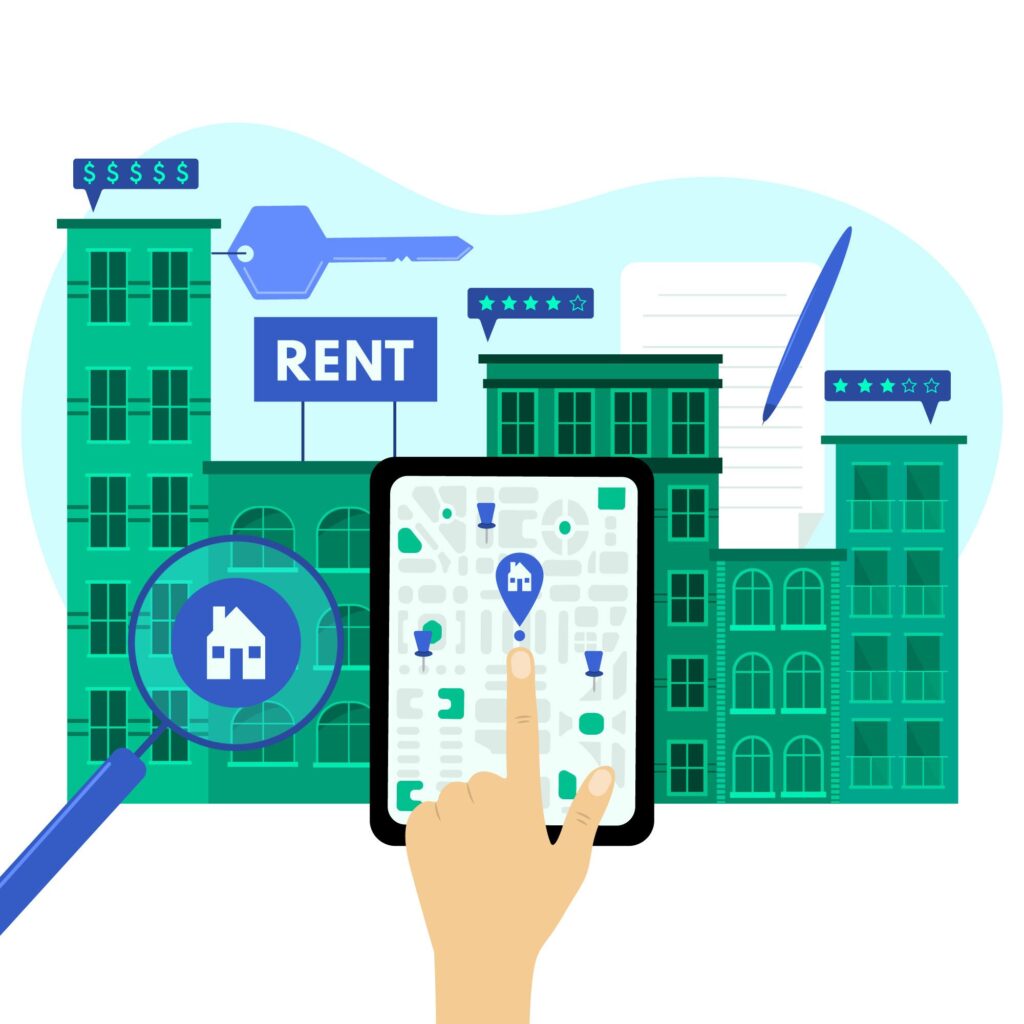
Managing rental operations effectively is a cornerstone of success for real estate businesses. Whether you oversee commercial properties, residential units, or specialized equipment rentals, maintaining streamlined processes is critical. SuiteWorks Tech Rental Management Software for NetSuite is designed to simplify these operations, offering a tailored solution for real estate businesses in the USA and UK. This blog explores how SuiteWorks Tech enhances efficiency, empowers decision-making, and delivers exceptional value for NetSuite ERP users. NetSuite Rental Management for real estate businesses has become an indispensable tool in navigating the complexities of rental operations. It provides a robust framework that aligns seamlessly with the unique requirements of the real estate sector. With SuiteWorks Tech, businesses can not only manage their assets more effectively but also stay ahead in an increasingly competitive market. Why Real Estate Businesses Need Rental Management Software The rental industry is fast-paced and highly competitive. Real estate businesses face challenges such as managing multiple contracts, ensuring timely billing, and keeping assets in optimal condition. Traditional methods often lead to inefficiencies, errors, and lost revenue opportunities. With SuiteWorks Tech Rental Management Software, NetSuite users gain a comprehensive tool that addresses these pain points through automation, integration, and real-time insights. Key Challenges Solved by SuiteWorks Tech: SuiteWorks Tech Rental Management Software transforms these challenges into opportunities for growth and efficiency. Comprehensive Features Designed for Real Estate Professionals SuiteWorks Tech Rental Management Software is built on the NetSuite platform, ensuring seamless integration and a unified experience. Let’s delve into its key features and their impact on real estate businesses. 1. Seamless Rental Contract Management Managing rental agreements is crucial for smooth operations. SuiteWorks Tech captures all rental details, including: This ensures accurate record-keeping and eliminates manual errors, giving real estate professionals the confidence to scale their operations. 2. Automated Billing Processes Rental billing is automated based on the contract’s frequency, whether monthly, quarterly, or yearly. By reducing manual intervention, businesses save time and ensure customers receive invoices promptly. The pro-rata rental calculation feature further enhances billing accuracy, especially for partial rental periods. 3. Flexible Scheduling for Enhanced Customer Experience Customers’ needs can change rapidly. SuiteWorks Tech allows businesses to: This adaptability fosters trust and customer loyalty. 4. Optimized Equipment and Asset Management Real estate businesses often manage diverse assets, from residential properties to commercial equipment. SuiteWorks Tech offers: 5. Advanced Usage Tracking For businesses renting equipment, tracking usage metrics like operating hours or mileage is critical. SuiteWorks Tech logs usage data, triggers maintenance jobs when thresholds are met, and assigns tasks to technicians. This proactive approach minimizes disruptions and enhances operational reliability. 6. Fixed Asset Management Integration The software integrates seamlessly with NetSuite’s fixed asset management module, providing: This ensures compliance with accounting standards and offers a holistic view of your assets’ lifecycle. 7. Real-Time Insights with Reporting and Dashboards SuiteWorks Tech leverages NetSuite’s powerful reporting tools to provide actionable insights. Custom dashboards highlight: These insights empower real estate professionals to make data-driven decisions that drive growth. How SuiteWorks Tech Drives Value for NetSuite Users SuiteWorks Tech Rental Management Software aligns perfectly with the needs of NetSuite ERP users, offering a seamless experience and unparalleled value. Here’s how it benefits real estate businesses: 1. Streamlined Operations By automating key processes like billing, scheduling, and contract management, businesses can focus on strategic growth rather than administrative tasks. 2. Enhanced Customer Satisfaction Timely responses to customer requests, high-quality rentals, and flexible service options ensure customers remain satisfied and loyal. 3. Optimized Asset Utilization Tracking availability and scheduling maintenance prevents overuse or underuse of assets, maximizing ROI. 4. Improved Financial Management Accurate billing, pro-rata calculations, and integration with fixed asset management provide real-time financial clarity, helping businesses manage cash flow effectively. 5. Competitive Advantage In a competitive market, having a robust rental management solution gives businesses an edge. SuiteWorks Tech empowers them to deliver exceptional service and maintain operational excellence. Why Choose SuiteWorks Tech? SuiteWorks Tech is more than just software; it’s a partner in your business’s success. Here’s what sets it apart: The Future of Rental Management The rental industry is evolving, with increasing emphasis on efficiency, customer experience, and sustainability. SuiteWorks Tech is at the forefront of this transformation, equipping real estate businesses with the tools they need to stay competitive. Upcoming Trends to Watch: By choosing SuiteWorks Tech, you position your business to leverage these trends and remain ahead of the curve. Take the Next Step Are you ready to elevate your rental management operations? Contact SuiteWorks Tech today to explore how our software can transform your business. From initial consultation to full implementation, our experts are here to support your journey. Reach out to us today and experience the SuiteWorks Tech advantage.






Working with SuiteWorks Tech on our AI Ordering Chatbot for NetSuite was outstanding. They delivered quickly, professionally, and with impressive attention to detail. I’m thrilled with the results and highly recommend their services.
Craig Michaud Partner, Evolve Salon Systems